Accessories & Technical Aids
The right technical aid at the right time can mean the difference between struggling through daily tasks and maintaining genuine independence. Yet navigating the landscape of assistive equipment—from power wheelchairs to medication dispensers—often feels overwhelming for families facing these decisions for the first time. What equipment genuinely makes life easier? When should you introduce aids before struggles become dangerous? Which items does the NHS provide, and which must you purchase privately?
This comprehensive overview introduces the key categories of accessories and technical aids designed for seniors and those with reduced mobility. Understanding these equipment families—their purposes, selection criteria and common pitfalls—empowers you to make informed choices that preserve dignity whilst enhancing safety. Whether you’re adapting a home for ageing in place or seeking tools to compensate for declining grip strength, recognising which category addresses your specific challenge is the crucial first step.
Mobility Equipment: The Foundation of Independent Movement
Mobility equipment represents perhaps the most visible category of technical aids, yet choosing the right solution requires understanding far more than basic functionality. Power wheelchairs and mobility scooters restore the ability to move independently, but selection involves matching technical specifications to your specific environment and physical capabilities.
Power wheelchair choice hinges on three critical factors that many first-time users overlook. Drive configuration—whether mid-wheel, rear-wheel or front-wheel—dramatically affects manoeuvrability in confined spaces like typical UK kitchens and narrow hallways. Width measurements matter intensely when standard UK doorways measure just 762mm, leaving minimal clearance margin. Battery performance varies significantly with temperature, a consideration that becomes crucial during British winters when cold weather can reduce range by up to 30%.
Beyond the initial purchase decision, successful long-term use depends on understanding maintenance factors that cause the majority of breakdowns. Tyre pressure maintenance prevents approximately 40% of mechanical failures, whilst cushion adjustment techniques directly impact pressure sore prevention during extended daily use. For mobility scooters, charging patterns profoundly influence battery lifespan—proper charging routines can genuinely double the functional life of expensive battery systems.
Home Access Solutions: Stairlifts and Vertical Lifts
Staircases represent the single greatest barrier to ageing in place for many UK homeowners, particularly those in traditional terraced houses with steep, narrow stairs. Stairlifts eliminate this barrier, but the market offers vastly different solutions depending on staircase configuration, user needs and budget considerations.
The physical characteristics of your staircase determine both model suitability and installation cost. A seemingly minor 100mm difference in staircase width can restrict which models physically fit, whilst the distinction between straight and curved staircases creates dramatic price variations. Installation costs for straight stairlifts in typical UK terraced houses follow predictable patterns, but individual quotes vary based on specific site challenges like bannister configuration and power outlet placement.
The reconditioned versus new stairlift decision deserves careful analysis, particularly when your mobility needs have a defined timeframe. For someone requiring assistance for approximately five years—perhaps during recovery from surgery or managing a progressive condition—reconditioned units can offer substantial savings without compromising safety. However, understanding what regular servicing involves is crucial, as skipping annual maintenance accounts for roughly 30% of stairlift breakdowns. For users with limited hand strength, specific control configurations and rail designs make safe operation possible, but these requirements must be identified during the assessment phase.
For homes where stairlifts prove impractical, vertical platform lifts offer an alternative, with pneumatic vacuum and hydraulic systems each presenting distinct advantages. Noise levels matter significantly in residential settings, influencing which technology best suits your living environment and household dynamics.
Understanding Installation Requirements
Proper installation goes beyond simply bolting equipment to your stairs. Structural assessment ensures your staircase can safely support the combined weight of the lift mechanism and user. Electrical requirements may necessitate additional wiring, particularly in older properties. Professional installers also ensure compliance with current safety standards, including emergency stop functionality and obstruction sensors that prevent accidents.
Kitchen Accessibility: Worktops and Storage Solutions
The kitchen remains the heart of independent living, yet standard kitchen design creates significant barriers for wheelchair users and those with reduced reach or grip strength. Modern accessibility solutions transform kitchens into truly usable spaces without sacrificing aesthetic appeal.
Electrically adjustable worktops represent a revolutionary development, accommodating both standing and seated users through height adjustment at the touch of a button. This dual functionality proves invaluable in households where multiple people with varying needs use the same kitchen, or when a user’s condition fluctuates between good and difficult days. The price premium over fixed-height or manual systems reflects the complex motor mechanisms required, but understanding weight limits prevents the motor burnout that occurs when users inadvertently overload surfaces with heavy appliances or shopping.
Upper cabinet access presents a different challenge, addressed by pull-down basket systems that bring stored items to counter height without requiring reaching or climbing. The crucial question is how far down these systems should extend—wheelchair users require different reach distances than ambulatory users with limited shoulder mobility. Weight limits for pull-down mechanisms are necessarily lower than fixed shelving, reflecting the mechanical complexity of the descent system. Many families successfully retrofit these systems into existing kitchen cabinets, though mounting height calculations must be precise to ensure accessibility rather than creating a different set of reach challenges.
Comparing Corner Cabinet Solutions
Awkward corner cabinets traditionally represent wasted space or inaccessible storage. Pull-down baskets offer one solution, whilst magic corner mechanisms provide an alternative approach. The choice depends on your specific dexterity levels—pull-down systems require less complex manipulation, whilst magic corners maximise storage capacity for those who can manage the swinging mechanism.
Bedroom Safety and Comfort Equipment
Sleep quality and bedroom safety directly impact overall wellbeing, yet this room often receives less accessibility attention than bathrooms or living spaces. Specialised bedroom equipment addresses both comfort and safety concerns, from pressure relief to fall prevention during night-time transfers.
Profiling beds designed for home use have evolved beyond clinical-looking hospital beds, now offering sophisticated adjustment capabilities within attractive furniture-style frames. These beds allow head and leg elevation, facilitating easier breathing for respiratory conditions, reducing acid reflux, and simplifying the process of getting in and out of bed. For individuals who spend extended periods bedbound, pressure-relieving mattresses—whether foam-based or air-alternating systems—become medically essential rather than optional comfort items. Air alternating mattresses actively redistribute pressure by inflating and deflating different zones on a timed cycle, proven more effective than static foam for preventing pressure sores in completely bedbound patients.
Bed rails serve multiple functions depending on design and placement. Full-length rails provide security against rolling out during sleep, whilst shorter grab rails positioned mid-bed offer leverage assistance when sitting up or transferring. The critical safety consideration involves understanding why certain bed rail designs have faced recalls in the UK—entrapment risks occur when gaps between rail and mattress allow body parts to become trapped. For divan beds without a traditional frame, securing bed rails requires specific attachment systems that prevent shifting during use, as movement defeats the safety purpose entirely.
Weight Capacity Considerations
Bed rail weight ratings matter significantly more than many purchasers realise. Clamp-on rails must support not just static weight but the dynamic forces generated when someone pulls forcefully whilst transferring. For heavier adults, verifying that equipment genuinely supports your weight prevents dangerous failures at the worst possible moment.
Health Monitoring and Medication Management
Maintaining health at home increasingly relies on self-monitoring technology and reliable medication routines. Modern monitoring devices put clinical-grade measurement in patients’ hands, whilst structured medication systems prevent the dangerous errors that occur with complex drug regimens.
For individuals over 70, certain vital signs warrant daily monitoring depending on diagnosed conditions. Blood pressure tracking proves essential for hypertension management, but accuracy depends entirely on technique—the cuff position mistake that produces false readings is remarkably common, yet easily corrected with proper instruction. When choosing a blood pressure monitor for home use, NHS clinical accuracy standards provide the benchmark, though not all consumer devices meet this threshold despite marketing claims.
The evolution from manual pulse checks to smartwatch heart monitoring has democratised arrhythmia detection, potentially identifying irregular heartbeats that manual checks miss. However, understanding the limitations of each method helps set realistic expectations about what consumer devices can and cannot diagnose.
Medication management systems range from simple dosette boxes to sophisticated automatic dispensers that lock until the correct time and sound alarms for each dose. The human factor often determines success—the most technologically advanced system fails if your parent finds it confusing or patronising. NHS pharmacy blister pack services offer a middle ground, pre-packaging medications by time slot without requiring expensive equipment, though this lacks the active reminder function that prevents simply forgetting to check the pack.
Setting Up Effective Monitoring Routines
Consistency matters more than technology sophistication. Taking measurements at the same time daily, under similar conditions, produces trend data that clinicians can actually interpret. Recording results in a format your GP can easily review—whether a paper logbook or a digital app that generates reports—ensures monitoring translates into better care rather than just generating unused data.
Medical Alert Systems: Protection at Home and Beyond
Personal alarm systems provide the safety net that allows continued independent living despite fall risks or sudden medical events. Yet the market distinction between home-only pendant systems and mobile alarms with GPS tracking confuses many first-time purchasers seeking emergency response capability.
Traditional pendant alarms work brilliantly within home boundaries, connecting to a base unit that triggers emergency response when you press the button. However, the limitation becomes painfully clear the first time you venture beyond signal range—whether to the garden shed or the local shops—and realise you’ve left protection behind. This gap in coverage has driven the development of mobile alarm systems that function anywhere with cellular coverage, incorporating GPS location tracking so emergency services can find you during that daily dog walk or shopping trip.
Modern systems increasingly incorporate fall detection technology, distinguishing genuine falls from ordinary movement through sophisticated sensors. This automatic activation proves crucial when a fall renders you unconscious or unable to reach the button. However, sensitivity settings require careful calibration—overly sensitive systems generate false alarms that erode emergency service trust, whilst insufficient sensitivity defeats the purpose.
The smartwatch versus dedicated pendant debate often centres on wearability and dignity. Active seniors frequently prefer smartwatch systems that blend invisibly into daily life, whilst others find dedicated pendants more reliable and purpose-built for emergency situations. The accidental button press problem affects both technologies, requiring systems that demand confirmation before dispatching emergency services to prevent the “cry wolf” scenario that wastes resources and causes embarrassment.
Indoor Versus Outdoor Coverage Needs
Honestly assessing your movement patterns determines which system truly meets your needs. If you rarely leave home, traditional pendant systems cost less and work reliably. For those maintaining active lifestyles with regular outings, the peace of mind from mobile coverage justifies the higher subscription costs and more complex technology.
Understanding NHS Provision and Funding Options
The question “Does the NHS provide this equipment?” echoes through countless family discussions about mobility and accessibility needs. Understanding NHS equipment provision rules prevents both unrealistic expectations and missed entitlements, whilst exploring alternative funding routes reveals options many families never realise exist.
The NHS wheelchair service provides essential mobility equipment, but operates under strict criteria that often surprise families expecting comprehensive provision. The service typically supplies basic manual wheelchairs meeting clinical need as assessed by NHS therapists, but powered wheelchairs face much higher qualification thresholds. This policy reflects budget constraints rather than clinical judgement about what might benefit you—the assessment focuses on essential need rather than optimal independence.
For equipment the NHS does provide, understanding the distinction between items supplied free permanently versus those loaned for specific periods matters enormously. Hospital beds for home use typically come through loan arrangements requiring you to care for equipment properly and return it when no longer needed, with potential replacement charges for damage beyond reasonable wear. NHS-loaned equipment serves multiple users over its lifespan, so maintenance standards matter both for infection control and preserving function for future patients.
The Motability Scheme offers an alternative pathway for those receiving higher-rate mobility allowances, converting benefit payments into lease agreements that potentially access better-specified equipment than NHS provision. Private purchase remains the route for anyone wanting equipment that exceeds NHS criteria or cannot wait for NHS service waiting times. Understanding which approach—NHS loan, Motability lease, private rental or outright purchase—delivers best value depends entirely on your specific circumstances, timeline and budget.
Requesting Reassessment as Conditions Change
Mobility and independence needs rarely remain static. Progressive conditions worsen, recovery trajectories change, and living situations evolve. NHS provision entitles you to request reassessment when your circumstances change significantly, ensuring equipment matches current rather than outdated needs. Many families endure inappropriate equipment simply because they don’t realise reassessment is possible and appropriate.
Daily Living Aids: Small Tools, Big Impact
Whilst mobility equipment and home adaptations attract attention, simple daily living aids often deliver the most immediate impact on quality of life. These modest tools—frequently costing under £20—restore the ability to perform tasks that declining grip strength or dexterity have rendered difficult or impossible.
The humble jar opener exemplifies how a £5 tool can restore more practical independence than expensive technological solutions, returning the simple pleasure of making yourself a cup of tea without asking for help. Yet many seniors resist these aids, caught in the psychological trap of feeling that using assistive devices makes them “look old” or represents accepting decline. This resistance causes unnecessary struggle and dangerous workarounds—using knives to pry lids or risking scalding by asking someone else to pour boiling water.
Recognising which daily struggles would genuinely benefit from technical aids requires honest self-assessment. The goal is identifying tasks where a simple tool eliminates difficulty, not reflexively buying gadgets for every minor inconvenience. Dressing aids like button hooks prove transformative for arthritis sufferers who’ve stopped wearing favourite clothing because fastenings have become impossible, whilst specialised ergonomic tools—from knitting needles to gardening equipment—allow continued engagement with meaningful hobbies despite hand pain or reduced strength.
Timing matters enormously. Introducing aids proactively, before morning dressing routines become exhausting ordeals that consume all energy for the day, prevents the negative associations that develop when aids arrive only after crisis point. Starting with one or two tools that address your most frustrating challenges demonstrates value, potentially overcoming resistance to a broader range of helpful equipment.
The psychological dimension of accepting assistive equipment deserves recognition alongside practical functionality. Choosing aids that work effectively whilst matching your aesthetic preferences and sense of self makes consistent use far more likely than purely functional items that feel stigmatising. The best technical aid is the one you’ll actually use, not the most sophisticated device languishing unused in a cupboard because it makes you feel diminished.

Can You Get a Panic Button That Works Outside Your Home in the UK?
Yes, modern mobile panic alarms provide full coverage across the UK, but true safety comes from building a personal ‘safety ecosystem’ rather than just owning a device. Traditional home alarms are limited by radio range; mobile alarms use multi-network SIM…
Read more
Which Assistive Devices Truly Restore Independence When Grip Strength Declines?
In summary: Effective assistive aids are not about cost, but about matching the right tool to a specific, recurring daily challenge. Proactively identifying task “bottlenecks” before they cause exhaustion is key to maintaining independence and energy. Overcoming the psychological hurdle…
Read more
How to Get a Hospital Bed for Home Use Through the NHS?
Securing a hospital bed from the NHS is not about luck; it’s about understanding the clear line the service draws between a proven clinical need and a lifestyle choice. The NHS funds essential medical equipment based on a formal assessment,…
Read more
Does the NHS Provide Free Wheelchairs or Do You Have to Buy Your Own?
The NHS provides a wheelchair to meet your clinical mobility needs at no cost, but it will be a basic model; achieving a higher-spec or personalised chair requires strategically navigating separate funding schemes. The NHS is funded to provide “clinically…
Read more
Medical Alert Bracelets: What Paramedics Need You to Engrave
The single most important factor for medical alert engraving is not listing every condition, but providing immediate, actionable intelligence for the first 60 seconds of an emergency. Information is prioritised based on what can kill you or change a paramedic’s…
Read more
What Vital Signs Should You Really Monitor at Home After 70? A Nurse’s Guide
Monitoring your health at home shouldn’t cause anxiety. The key isn’t tracking every fluctuation, but adopting a calm, weekly routine to spot meaningful patterns. Focus on clinically validated tools (like BIHS-approved monitors) and use them correctly to gather reliable data….
Read more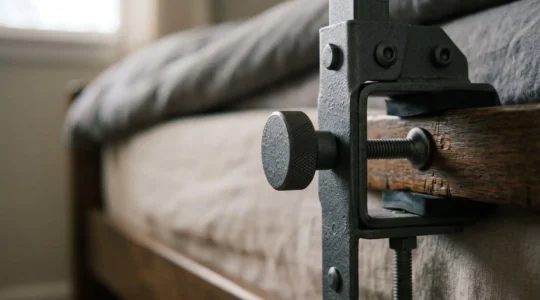
How Much Weight Can a Clamp-On Bed Rail Support for a Heavy Adult?
Contrary to popular belief, a bed rail’s stated weight capacity is not the most critical safety factor; the real measure of support for a heavier adult lies in the installation’s integrity and its ability to withstand dynamic transfer forces. The…
Read more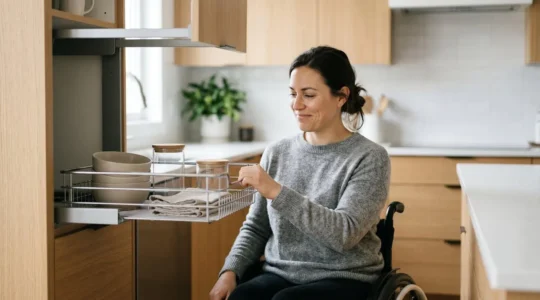
How Far Down is ‘Safe’? Setting Pull-Down Basket Heights for Wheelchair Access
Perfect accessibility isn’t about the product you buy, but the personal measurements you take before installation. Standard mounting heights often lead to an ‘ergonomic failure point’, making baskets unusable or unsafe. Mapping your unique seated ‘reach zone’ is the only…
Read more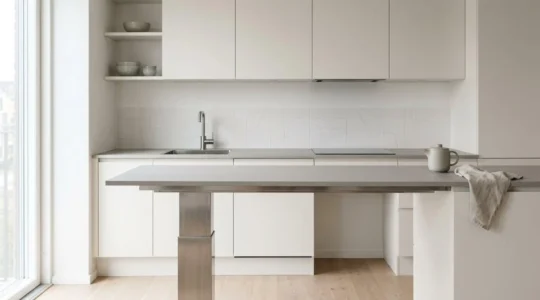
How Do Electric Adjustable Worktops Accommodate Both Standing and Seated Users?
A fixed-height kitchen in a multi-generational home creates daily friction and exclusion. An electric adjustable worktop is the key to transforming it into a space of shared independence. It provides essential under-counter knee clearance for wheelchair users without compromising a…
Read more
How Much Does a Straight Stairlift Cost Installed in a UK Terraced House?
The true cost of a straight stairlift goes far beyond the initial £2,000-£2,500 price tag; the smartest financial decision lies in calculating the 5-year Total Cost of Ownership. A reconditioned model can offer 30-50% initial savings but may lead to…
Read more