Blog
Aging is a natural journey that brings wisdom, experience, and often new challenges—particularly when it comes to maintaining independence and quality of life. Whether you’re a senior navigating mobility changes, a family member supporting a loved one, or a caregiver seeking practical solutions, understanding the intersection of health, safety, and accessibility is essential. This resource serves as your comprehensive starting point, connecting the dots between physical well-being, home environment, and the support systems that make aging in place not just possible, but comfortable and dignified.
The topics we explore here aren’t just theoretical concepts—they represent real solutions to everyday concerns. From understanding why a simple bathroom modification can prevent life-altering falls, to discovering how assistive technologies restore independence, each section provides actionable insights grounded in expertise and real-world experience. Consider this your roadmap to navigating the practical aspects of senior health and accessibility with confidence.
Understanding Mobility Challenges as We Age
Mobility changes rarely happen overnight. Think of it like a river gradually changing its course—subtle shifts accumulate over time until the landscape looks quite different. For many seniors, these changes begin with minor difficulties: taking a bit longer to climb stairs, feeling less steady on uneven surfaces, or experiencing fatigue after activities that once felt effortless.
Recent studies indicate that approximately one in four adults over 65 experiences a fall each year, and many of these incidents occur at home during routine activities. The causes are multifaceted, involving age-related changes in vision, balance, muscle strength, and bone density. Conditions such as arthritis, osteoporosis, and neurological disorders can further compound these challenges.
Recognizing the early signs of mobility decline is crucial because it opens the door to proactive interventions. These warning signs include:
- Hesitation before stepping up or down curbs
- Using furniture or walls for support while walking indoors
- Avoiding certain rooms or activities due to physical barriers
- Increased muscle soreness or joint pain after routine tasks
- Near-falls or moments of losing balance
Understanding these patterns isn’t about resignation—it’s about empowerment. When you recognize mobility challenges early, you can implement modifications and strategies that preserve independence for years to come, rather than waiting for a crisis to force reactive changes.
Creating a Safe and Accessible Home Environment
Your home should be your sanctuary, not an obstacle course. Yet for many seniors, everyday environments contain hidden hazards that compromise safety and limit independence. The good news? Most homes can be transformed into accessible, safe spaces through thoughtful modifications that don’t require extensive renovation.
Critical Safety Modifications
The bathroom presents the highest risk area in most homes due to slippery surfaces and awkward movements required for bathing. Installing grab bars near toilets and inside showers provides crucial support points. Unlike towel racks (which aren’t designed to bear weight), properly installed grab bars can support several hundred pounds and provide confidence during transfers.
Walk-in showers or tubs with low thresholds eliminate the dangerous step-over that causes many falls. Non-slip flooring throughout the bathroom creates traction even when wet. These aren’t just conveniences—they’re preventive measures that can mean the difference between independence and assisted living.
Accessibility Beyond the Bathroom
Throughout the home, consider these evidence-based modifications:
- Lighting improvements: Install brighter bulbs, add motion-sensor lights for nighttime navigation, and eliminate shadows in stairwells
- Flooring transitions: Remove throw rugs, secure carpet edges, and create smooth transitions between rooms
- Stair safety: Add sturdy handrails on both sides, apply contrasting tape to step edges for visibility
- Doorway widening: Ensure wheelchair or walker access by widening key doorways to at least 32 inches
- Lever-style handles: Replace round doorknobs and faucets with easy-grip levers
Think of these modifications as investments in longevity. A well-designed accessible home doesn’t announce disability—it simply removes unnecessary barriers that would otherwise accelerate decline.
Technology That Supports Independence
Modern assistive technologies have evolved far beyond basic canes and walkers. Smart home systems now allow voice-activated controls for lights, thermostats, and locks—eliminating the need to navigate dark hallways or struggle with small switches. Medical alert systems provide peace of mind, connecting users to emergency services at the press of a button.
Mobility aids have also become more sophisticated and less stigmatizing. Lightweight rollators with seats allow seniors to rest during walks. Stairlifts and vertical platform lifts restore access to multi-story homes. The key is matching the technology to the individual’s specific needs and comfort level, rather than adopting a one-size-fits-all approach.
Health, Wellness and Active Aging
Accessibility modifications create the foundation, but maintaining health and wellness builds upon it. Active aging isn’t about denying physical limitations—it’s about optimizing function within realistic parameters and prioritizing quality of life.
Physical activity remains crucial, even when traditional exercise becomes challenging. Low-impact activities like water aerobics, chair yoga, and tai chi improve balance, flexibility, and strength while minimizing joint stress. The analogy here is maintenance—just as a car runs better with regular care, bodies maintain function better with consistent, appropriate movement.
Nutrition takes on heightened importance with age. Protein intake supports muscle preservation, calcium and vitamin D protect bone density, and adequate hydration prevents confusion and falls. Many seniors unknowingly consume insufficient calories or nutrients, leading to weakness and increased fall risk. Working with healthcare providers to address nutritional gaps can dramatically improve energy and resilience.
Cognitive health deserves equal attention. Social isolation and lack of mental stimulation accelerate cognitive decline, while engagement—through hobbies, learning, social connections, and purposeful activities—preserves mental sharpness. The brain, like muscles, operates on a “use it or lose it” principle.
Preventive healthcare becomes increasingly important as we age. Regular vision and hearing checks, medication reviews, bone density scans, and balance assessments catch problems early when interventions are most effective. Chronic condition management, particularly for diabetes, heart disease, and arthritis, directly impacts mobility and independence.
Support Systems and Resources for Seniors and Caregivers
No one should navigate aging challenges alone. A robust support system—combining professional services, community resources, and family involvement—creates the safety net that enables continued independence.
Professional caregiving services range from occasional help with errands and housekeeping to round-the-clock skilled nursing care. Many seniors and families delay seeking this support due to cost concerns or misconceptions about “giving up” independence. In reality, accepting appropriate help often extends independence by preventing burnout, accidents, and premature institutionalization.
Community resources often go underutilized simply because people don’t know they exist. Senior centers offer socialization, meals, and activities. Transportation services provide rides to medical appointments. Meal delivery programs ensure adequate nutrition. Local aging agencies can connect families with comprehensive assessments and coordinate multiple services.
For family caregivers, education and respite are essential. Caregiving can be physically demanding and emotionally draining, leading to burnout that serves no one. Support groups—both in-person and online—provide validation, practical advice, and connection with others facing similar challenges. Respite care services allow primary caregivers to rest and recharge, preventing the exhaustion that leads to difficult decisions about institutional care.
Financial and legal planning also deserves attention. Understanding insurance coverage, exploring long-term care options, establishing powers of attorney, and planning for potential future needs creates security and reduces crisis-driven decision-making. Professional guidance from elder law attorneys and financial planners specializing in senior issues can navigate this complex landscape.
The journey of aging brings inevitable changes, but it doesn’t require surrendering independence or quality of life. By understanding mobility challenges, creating accessible environments, prioritizing wellness, and building strong support systems, seniors can navigate this chapter with dignity and confidence. Each topic covered here represents a starting point for deeper exploration based on individual circumstances and needs. The key is taking proactive steps today that preserve choice and autonomy tomorrow.
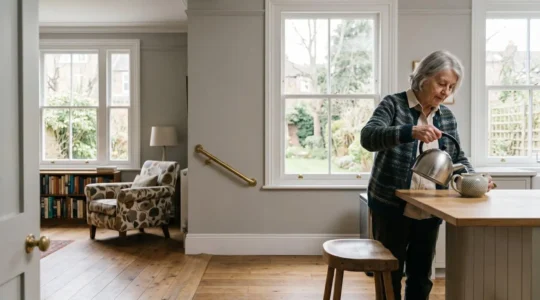
What Does It Actually Take to Age in Place Successfully in the UK?
Successfully ageing in place in the UK depends less on one-off installations and more on a dynamic strategy balancing three key pillars: proactive home adaptation, robust social support, and shrewd financial planning. Physical adaptations are essential, but their success hinges…
Read more