Home & Adaptation for PMR
Adapting your home for reduced mobility represents one of the most significant decisions you’ll face when physical limitations begin to affect daily independence. Whether you’re planning ahead for progressive conditions, recovering from injury, or supporting an ageing family member, the right home modifications can mean the difference between reluctantly moving to assisted living and continuing to thrive in your own space for years to come.
The challenge lies not just in identifying what needs to change, but in understanding the interconnected nature of home adaptations. A wheelchair-accessible bathroom requires more than grab rails; vertical circulation solutions involve complex structural decisions; and fall prevention demands a holistic view of lighting, flooring, and furniture placement. This comprehensive resource guides you through every critical aspect of home adaptation, from regulatory requirements to practical implementation, helping you create a safer, more accessible living environment tailored to your specific needs.
Why Home Adaptation Matters More Than Moving
Many families assume that reduced mobility automatically means relocating to a bungalow or specialist accommodation. Yet stairs force approximately 60% of UK seniors to move home prematurely, often disrupting established social networks and familiar routines that contribute significantly to wellbeing. Well-planned adaptations frequently prove more cost-effective and emotionally sustainable than moving, particularly when Disabled Facilities Grants or equivalent funding can cover major structural work.
The psychological benefits of remaining in your own home extend far beyond comfort. Familiar environments reduce cognitive load for those with dementia, maintain proximity to established healthcare providers, and preserve the independence that comes from controlling your own living space. Modern adaptation solutions have evolved dramatically, offering stylish, discreet options that enhance property value rather than creating the clinical institutional appearance many people fear.
Starting Your Adaptation Journey: Assessment Before Action
The single biggest mistake in home adaptation is making piecemeal changes without understanding your complete needs. Beginning with a professional occupational therapy assessment provides a structured evaluation of your current and anticipated requirements, identifying hazards you might overlook and recommending modifications in the optimal sequence.
The Value of Professional Assessment
Council-funded occupational therapy assessments examine every room systematically, considering not just obvious mobility barriers but also cognitive load, carer access requirements, and equipment storage needs. These assessments typically cover far more than bathroom grab rails, evaluating kitchen workflow, bedroom access for medical equipment, and emergency egress routes that might become blocked as mobility aids increase.
Prioritising Modifications Strategically
Not all adaptations carry equal urgency or impact. The most cost-effective approach typically addresses fall prevention first, followed by bathroom access (where injury risk is highest), then vertical circulation solutions, and finally convenience improvements like kitchen modifications. This sequencing minimizes disruption while immediately reducing the most serious safety risks.
Fall Prevention: The Foundation of Home Safety
Falls represent the leading cause of injury-related hospital admissions for over-70s, with loose rugs alone responsible for approximately 40% of home falls in this demographic. Yet most fall hazards remain invisible until someone experiences a near-miss or actual injury. Comprehensive fall prevention requires examining flooring, lighting, furniture stability, and transition points between rooms.
Flooring Choices That Reduce Injury Risk
The ideal flooring balances slip resistance with cushioning properties. Carpet provides excellent fall protection but can impede wheelchair movement; vinyl offers smooth transitions but minimal impact absorption; cork delivers both slip resistance and cushioning but requires careful maintenance. Many mobility specialists recommend different flooring for different zones: low-pile carpet in bedrooms where falls are most likely, and slip-resistant vinyl in wet areas and circulation routes.
Lighting Solutions for Night-Time Safety
Dark hallways double night-time fall risk, particularly for those with reduced vision or taking medications that cause dizziness. A continuous light path from bedroom to bathroom, using motion-activated lighting that illuminates before you take your first step, dramatically reduces incidents. Modern systems distinguish between fall detection patterns and normal movement, potentially alerting carers automatically when unusual motion suggests a problem.
Furniture Anchoring and Clear Pathways
Furniture often becomes an improvised grab rail during moments of unsteadiness, but unstable pieces can topple with catastrophic consequences. Anchoring key furniture items to walls provides genuine support points, while maintaining clear 900mm pathways through rooms ensures wheelchair and walker access without navigating obstacle courses that fatigue users and increase fall risk.
Bathroom Adaptations: Where Accessibility Meets Dignity
Bathrooms concentrate more adaptation challenges than any other room: limited space, wet surfaces, complex plumbing, and activities requiring privacy and dignity. Whether you’re considering a level-access shower, full wet room, or accessible toilet installation, understanding the structural and spatial requirements prevents costly mistakes that force families to redo work within months.
Space Requirements and Turning Circles
A 1500mm turning circle determines your entire bathroom layout for wheelchair users, requiring careful planning before any work begins. Minimum doorway width of 900mm, adequate clearance beside toilets for transfer, and sufficient knee space under sinks all demand precise measurements. Many bathroom renovations fail because families underestimate these dimensions, creating spaces that technically meet regulations but prove exhausting or impossible to use independently.
Wet Rooms vs Level-Access Showers
True wet rooms waterproof the entire floor space and require structural lowering for drainage, whilst level-access showers create a flush transition only within the shower zone. For progressive mobility loss, wet rooms offer superior long-term flexibility, accommodating changing equipment needs and eventual full wheelchair showering. However, they demand expert waterproofing to prevent leaks into rooms below, with drainage gradient errors flooding new installations within months if improperly executed.
Anti-Slip Flooring That Actually Works
Not all slip-resistance ratings perform equally in wet conditions. An R10 rating, whilst adequate for dry areas, provides insufficient safety in shower zones where R11 or higher classifications prevent accidents more reliably. The common mistake of selecting porcelain tiles for their aesthetic appeal without verifying wet slip resistance has created dangerously hazardous Italian shower installations that become unusable. Textured ceramics or specialist anti-slip vinyl suited to wheelchair traffic offer better long-term safety.
Solving Vertical Circulation: Stairs, Lifts and Elevators
When stairs become an insurmountable barrier, three main solutions exist: stairlifts that follow existing staircases, through-floor platform lifts that cut through floor structures, and cabin elevators that function like miniature building lifts. Each option carries distinct spatial, structural, and cost implications that suit different home types and mobility trajectories.
Stairlifts: The Least Invasive Solution
Stairlifts install quickly with minimal structural work, making them ideal for rented properties or temporary mobility reduction. Modern curved rail systems navigate complex staircases, though costs escalate significantly compared to straight installations. The critical decision point is timing: installing before climbing stairs becomes genuinely dangerous prevents the fear and isolation that develops when people avoid upper floors entirely.
Through-Floor Lifts and Home Elevators
Platform lifts suit wheelchair users needing to transport mobility equipment between floors, though they require more structural modification than stairlifts. Home elevators provide the most capacity and long-term flexibility but demand pit depth that can void warranties if floor joists are inadequately assessed. Planning permission requirements vary based on whether installations are internal or external, with some configurations treated as permitted development whilst others require full consent.
Making the Right Choice for Your Home Type
Standard UK semi-detached houses can accommodate most lift solutions with appropriate structural assessment, though narrow Victorian terrace properties may find through-floor platform lifts more suitable than cabin elevators requiring larger shaft dimensions. The decision often hinges on whether mobility loss is progressive (favouring more comprehensive elevator solutions) or stable (where stairlifts suffice).
Kitchen Independence: Layouts That Enable Self-Sufficiency
Kitchen adaptations receive less attention than bathrooms in many home assessments, yet maintaining the ability to prepare food independently profoundly affects quality of life and nutrition. Wheelchair-accessible kitchen design requires rethinking worktop heights, appliance positioning, storage accessibility, and movement space between zones.
The transformative change for wheelchair users is 700mm knee clearance beneath worktops, allowing users to roll directly to work surfaces rather than reaching awkwardly from seated positions. Height-adjustable worktop sections accommodate both wheelchair users and standing helpers, though connecting sinks to these systems without restricting vertical movement demands specialist plumbing knowledge. Positioning ovens at mid-height eliminates dangerous reaching across hot surfaces, whilst pull-down basket systems make upper cabinets genuinely usable rather than decorative dead space.
Kitchen islands, whilst popular in contemporary design, frequently block wheelchair movement when positioned without adequate clearance. The common mistake is maintaining only the minimum circulation space, creating technically compliant but practically exhausting layouts where manoeuvring requires constant precision.
Building Regulations and Standards You Must Know
Part M of UK Building Regulations governs accessibility in new buildings and extensions, setting minimum standards for doorway widths, level access, and circulation space. Understanding these requirements before starting adaptation work prevents costly retrospective modifications when building control identifies non-compliance.
Wheelchair ramps must not exceed certain gradients under current regulations, with 1:12 representing the maximum comfortable slope for independent propulsion. Steeper gradients rapidly become dangerous, yet threshold gap mistakes that leave even small vertical lips create barriers that make otherwise compliant ramps unusable. For home extensions incorporating accessible features, ensuring Part M compliance from the design phase proves far more cost-effective than attempting to retrofit accessibility after construction.
Planning permission oversights add months to adaptation projects, particularly where external ramps, lifts, or structural alterations affect the building’s external appearance or footprint. Consulting with planning authorities early in the process identifies potential obstacles before significant design work is complete.
Professional Support: Builders, Contractors and Specialists
Finding builders who genuinely understand wheelchair-accessible design rather than simply claiming competence makes the difference between adaptations that work seamlessly and those requiring expensive remediation. Council-appointed contractors for Disabled Facilities Grant work bring proven accessibility experience, though some families achieve better results selecting their own builders with appropriate oversight from occupational therapists.
The renovation sequence matters enormously: families who install beautiful accessible bathrooms before addressing drainage, structural support, or electrical requirements often discover they must redo plumbing when later phases reveal system inadequacies. Experienced adaptation specialists coordinate trades in the optimal order, preventing these cascading failures.
Future-Proofing: Adapting for the Next Twenty Years
The most successful home adaptations anticipate changing needs rather than simply addressing current limitations. Progressive conditions demand designs with built-in flexibility: wet rooms that currently accommodate walking showering but can easily transition to full wheelchair access; bedroom layouts with furniture placement that permits future profiling bed installation and carer access; doorways widened proactively before mobility aids change.
The common over-adaptation mistake sees families installing every possible accessibility feature immediately, creating spaces that feel institutional and potentially harming resale value. The optimal approach implements essential safety features now whilst designing infrastructure (reinforced walls for future grab rails, plumbing provisions for height-adjustable sinks, electrical capacity for lift installation) that enables rapid deployment of additional adaptations when—and only when—they become necessary.
Home adaptation for reduced mobility is neither a single project nor a one-time decision, but an evolving process that responds to changing needs whilst maintaining the dignity, independence, and quality of life that make staying in your own home worthwhile. With proper assessment, strategic planning, and quality implementation, your home can continue to support you through decades of changing mobility, making adaptation a genuine alternative to relocation.

A Manager’s Guide: How to Secure and Maximise a Council Occupational Therapy Home Assessment
Securing a council OT assessment is not a passive request but a procedural gateway to vital home adaptations and grants. An OT assessment is the mandatory legal key to accessing a Disabled Facilities Grant (DFG). Proper preparation, including documenting your…
Read more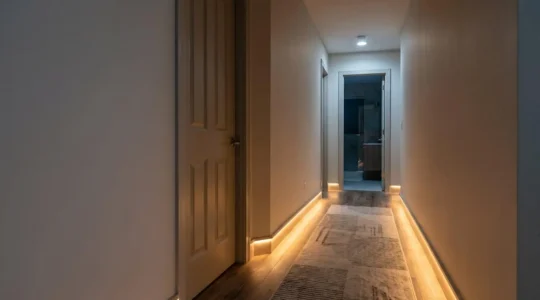
How Does Fall Detection Lighting Differ from Standard Motion Sensor Lights?
The critical difference is intelligence: standard motion lights react to presence, while fall detection systems analyse movement to distinguish between a simple trip to the bathroom and a genuine crisis. A basic motion light offers proactive illumination to prevent falls,…
Read more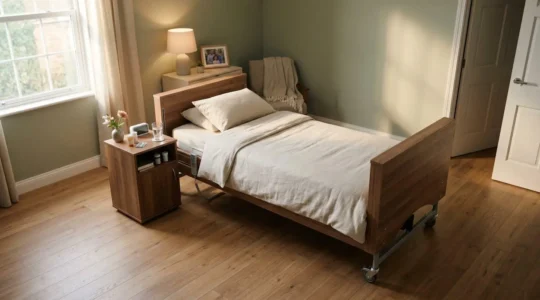
How to Create a Safe and Dignified Bedroom for End-of-Life Care at Home
The right equipment for end-of-life home care is not just about medical function; it’s about creating a safe sanctuary that protects the carer from injury and preserves the patient’s dignity. An adjustable-height profiling bed is the single most important investment…
Read more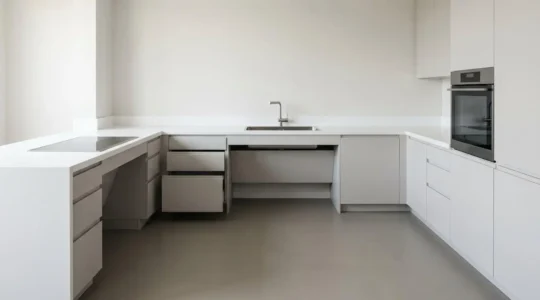
What Kitchen Layout Works Best for a Full-Time Wheelchair User?
The best accessible kitchen layout isn’t a specific shape (U, L, or galley), but a dynamic ‘workflow cockpit’ designed around the seated user. Functionality comes from strategic clearances and the relationship between zones, not just lowered surfaces. Safety and independence…
Read more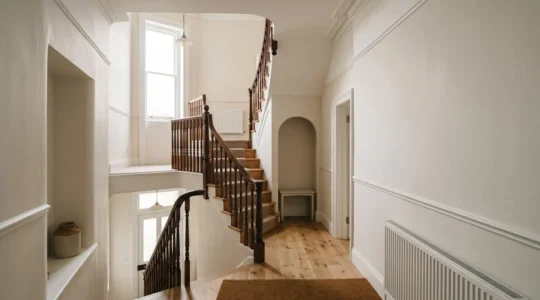
Can You Install a Home Elevator in a Standard UK Semi-Detached House?
Yes, installing a home lift is entirely feasible in most UK semi-detached houses, but success depends on understanding it as a structural project, not just a product purchase. The primary constraints are structural realities like party walls and floor joists,…
Read more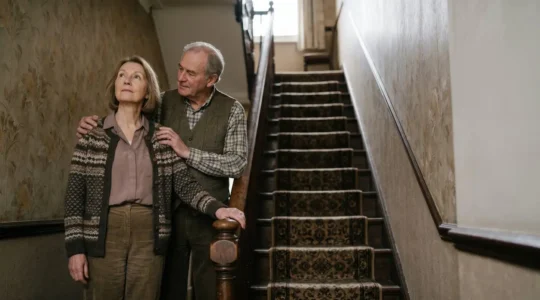
Should You Move to a Bungalow or Adapt Your Two-Storey Home for Vertical Circulation?
The choice isn’t just about stairs versus no stairs; it’s about preserving your financial future and avoiding the costly trap of short-term fixes. Choosing a solution based on today’s needs, without considering a 5-10 year mobility prognosis, often leads to…
Read more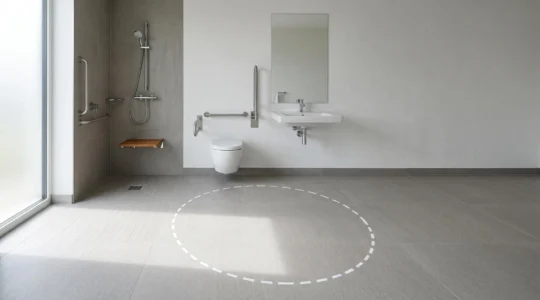
A Consultant’s Guide to Slip Resistance Ratings for Wheelchair-Accessible Flooring in the UK
In summary: Do not rely solely on a floor’s R-rating (e.g., R10); it is often insufficient for wet, barefoot areas like UK bathrooms. The UK Health and Safety Executive (HSE) benchmark is a Pendulum Test Value (PTV) of 36+ for…
Read more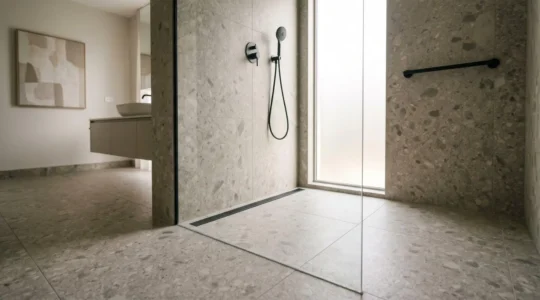
Why Are Italian Showers the True Gold Standard for Accessible Bathrooms?
A true Italian shower transforms a bathroom into a seamless, accessible, and luxurious space, but its elegance is built on non-negotiable engineering hidden beneath the tiles. Success depends on an integrated system of structural floor lowering, comprehensive waterproofing, and precise…
Read more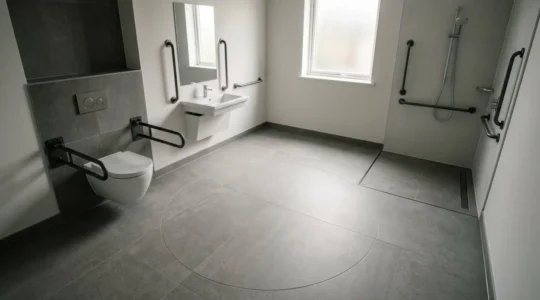
What Are the Minimum Dimensions for a Wheelchair-Accessible Bathroom?
In summary: The 1500mm wheelchair turning circle is the foundational principle of UK accessible bathroom design, but can be adapted with T- or Y-shaped spaces in constrained rooms with professional assessment. True safety in wet areas demands flooring that exceeds…
Read more
What Accessibility Renovations Add the Most Independence for the Least Cost?
The true value in accessibility renovation isn’t found in expensive products, but in strategic sequencing that gains crucial space and prevents costly future rework. Prioritise a professional audit and low-cost council services before committing to major works. Phase larger renovations…
Read more