The true cost of a straight stairlift goes far beyond the initial £2,000-£2,500 price tag; the smartest financial decision lies in calculating the 5-year Total Cost of Ownership.
- A reconditioned model can offer 30-50% initial savings but may lead to a “financial cliff” if its shorter warranty doesn’t cover crucial battery or part replacements.
- Skipping the £90-£200 annual service is a false economy that often leads to £130+ emergency call-out fees and preventable breakdowns.
Recommendation: Always compare the 5-year total cost, including servicing and potential repairs, not just the purchase price, to find the best long-term value for your specific needs.
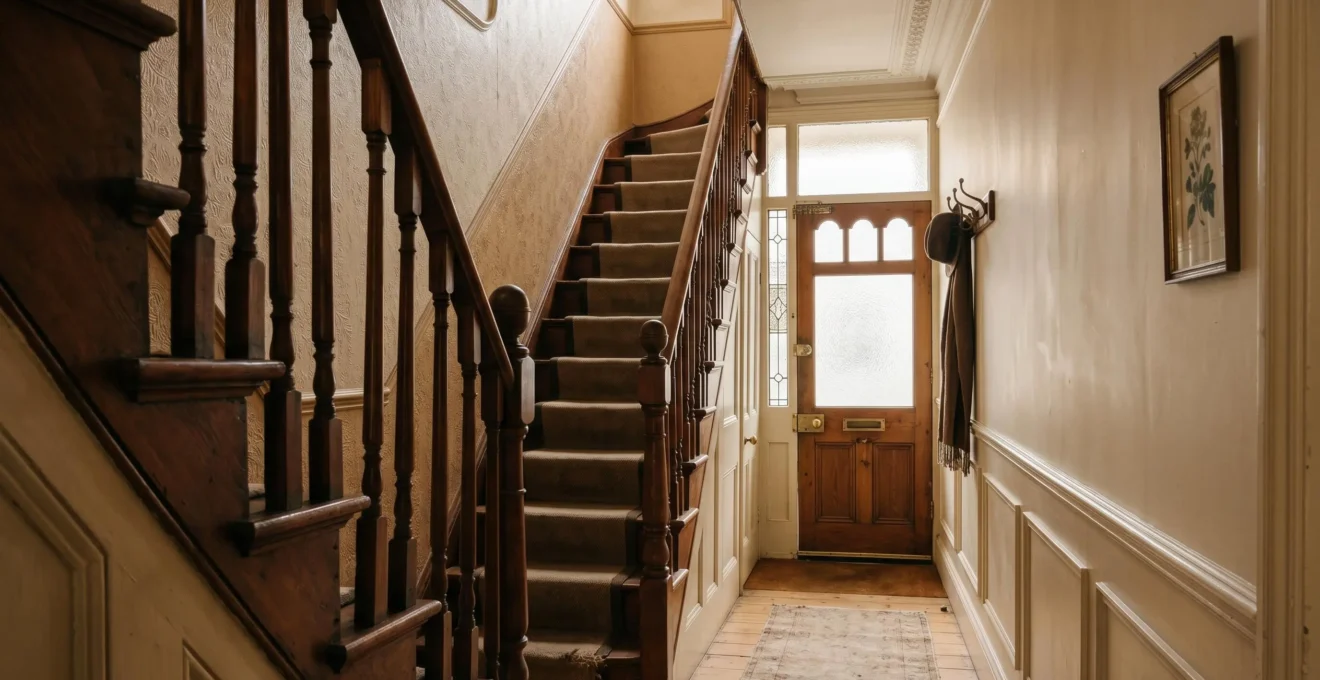
If you’re a homeowner in a classic UK terraced house, the question of installing a stairlift is often born from necessity, not luxury. You want to stay in the home you love, but climbing the stairs has become a daily challenge. The immediate question is always: “How much will it cost?” Most websites will give you a generic price range, but as a consultant focused on providing transparent, budget-conscious advice, I can tell you that the sticker price is only the beginning of the story. The real cost isn’t just what you pay upfront; it’s the total financial commitment over the years you’ll rely on it.
Many people compare new and reconditioned models, or look for the cheapest installation quote. While these are factors, they are often the wrong ones to focus on. The most significant financial mistakes are made by underestimating long-term running costs or choosing a solution that isn’t right for the user’s specific physical needs. This guide moves beyond the platitudes. We will analyse the Total Cost of Ownership, explore the critical impact of details like staircase width and hand strength, and map out the true financial and practical pathways to keeping you safe and independent in your own home, without any costly surprises.
To help you navigate this important decision, this article breaks down every critical factor you need to consider. From the initial physical constraints of your home to the long-term financial implications of your choice, here is a clear roadmap for your journey.
Summary: A Comprehensive Guide to Straight Stairlift Costs in the UK
- Why Does a 100mm Difference in Staircase Width Affect Stairlift Model Choice?
- How to Use a Straight Stairlift Safely When You Have Limited Hand Strength?
- New vs Reconditioned Stairlift: Which Offers Better Value for a 5-Year Need?
- The Annual Service Skip That Causes 30% of Stairlift Breakdowns
- When Should You Order a Stairlift to Have It Installed Before Hospital Discharge?
- How to Decide Between a Stairlift, Through-Floor Lift or Home Elevator?
- Disabled Facilities Grant vs Turn2Us Charity Funding: Which Should You Apply for First?
- Should You Move to a Bungalow or Adapt Your Two-Storey Home for Vertical Circulation?
Why Does a 100mm Difference in Staircase Width Affect Stairlift Model Choice?
The first hurdle in any stairlift installation is the physical space available. In many older UK terraced houses, staircases can be significantly narrower than those in modern properties. While Building Regulations for new homes mandate a generous width, your Victorian or Edwardian staircase might present a challenge. The critical measurement isn’t just about fitting the rail; it’s about ensuring there’s enough clearance for your knees as you travel up and down, and for other household members to pass safely when the lift is not in use.
For a standard straight stairlift, industry experts recommend a minimum width of 700mm. If your staircase is narrower than this, you aren’t out of options, but your choice of models will become more limited and potentially more expensive. A 100mm difference, say from 750mm down to 650mm, can be the deciding factor between a standard, budget-friendly model and a specialised slimline stairlift. These models are engineered specifically for tight spaces.
Slimline stairlifts often feature more compact carriages, rails that sit closer to the wall, and clever design features like seats that automatically swivel at a slight angle during travel. This subtle rotation moves the user’s knees away from the opposing wall or banister, gaining those crucial few inches of clearance. While these models are a fantastic solution, it’s important to be transparent: this specialised engineering often comes at a premium compared to standard models. Therefore, an accurate measurement of your staircase at its narrowest point is the essential first step before you even start looking at brochures.
How to Use a Straight Stairlift Safely When You Have Limited Hand Strength?
A stairlift is only effective if the user can operate it confidently and independently. For individuals with conditions like arthritis, Parkinson’s, or weakness following a stroke (hemiplegia), the design of the controls is not a minor detail—it is the key to safe operation. A standard joystick, which requires continuous pressure and some dexterity, can be a significant barrier for someone with limited grip strength or tremors.
Reputable consultants will always assess the user’s specific physical abilities before recommending a model. The focus should be on finding controls that require minimal effort and are intuitive to use. For instance, large, easy-press buttons can be a much better option than a small joystick. Similarly, a standard “pull-to-tighten” seatbelt can be impossible to manage with one hand, whereas a Velcro easy-fasten seat belt can be a game-changer for someone with weakness on one side of their body.
Beyond the user-operated controls, an attendant remote control is an essential safety feature. This allows a partner or carer to operate the lift from either the top or bottom of the stairs, providing a vital backup if the user feels unwell or is unable to manage the controls themselves. Below are some key control options to discuss with your supplier:
- Joystick controls: Standard on many models but can be difficult for those with poor grip or tremors.
- Large easy-press button controls: An ideal alternative for arthritis sufferers, requiring less dexterity.
- Attendant remote control: A crucial safety feature allowing a carer to operate the lift remotely.
- Velcro easy-fasten seat belt: Can be operated with one hand, a significant benefit for users with hemiplegia.
- Battery backup system: Standard on all modern lifts, but you must check if the emergency lowering procedure is feasible for someone with weak hands.
New vs Reconditioned Stairlift: Which Offers Better Value for a 5-Year Need?
This is the central financial question for any budget-conscious buyer. On the surface, a reconditioned stairlift seems like the obvious choice for saving money. Indeed, reconditioned stairlifts typically offer 30-50% savings on the initial purchase price compared to brand new models. However, the decision is not that simple. The “best value” depends entirely on your expected timeframe of need and your appetite for potential future costs.
To make a truly informed decision, you must look at the Total Cost of Ownership (TCO) over your expected period of use, for instance, five years. A new stairlift usually comes with a comprehensive 2-year warranty covering parts and labour. A reconditioned unit may only have a 1-year warranty, which might even exclude certain parts. This means you could be facing the cost of battery replacements (£50-£120) or other repairs from year two onwards—the “financial cliff” where initial savings are eroded by maintenance costs.
The following table provides a transparent breakdown of the likely 5-year TCO for both options. It’s a critical tool for looking beyond the sticker price.
This comparison of the 5-year total cost of ownership highlights the potential pitfalls of focusing only on the initial purchase price, as shown in this recent cost analysis.
| Cost Component | New Stairlift | Reconditioned Stairlift |
|---|---|---|
| Purchase Price (Straight) | £2,000 – £2,500 | £975 – £1,500 |
| Warranty Period | 2 years comprehensive | 1 year (parts may be excluded) |
| Battery Replacement (Year 1-2) | Included in warranty | £50 – £120 |
| Annual Service (Years 1-5) | £90 – £200 x 4 = £360 – £800 | £90 – £200 x 4 = £360 – £800 |
| 5-Year Total Cost | £2,360 – £3,300 | £1,385 – £2,420 |
| Potential Savings | – | 30-50% vs new |
The Third Option: Rental for a Defined Need
For users with a clearly defined, shorter-term need (e.g., post-operative recovery or a prognosis of a few years), renting can be an excellent value proposition. UK rental costs for a straight stairlift are typically £10-£15 per week, plus a one-off installation fee of £300-£500. Over 5 years, this totals £2,900-£4,400. While this is higher than purchasing a reconditioned unit, it crucially includes all servicing, repairs, and free removal. It offers complete peace of mind with zero responsibility for ongoing maintenance, making it a strong choice for those who want a fixed, predictable cost.
The Annual Service Skip That Causes 30% of Stairlift Breakdowns
When you’re on a tight budget, it can be tempting to see the annual service contract as an optional extra. This is one of the most common and costly mistakes a stairlift owner can make. A stairlift is a complex piece of mechanical and electrical equipment that is used daily. Skipping its annual check-up is a false economy—a bit like driving a car for years without changing the oil. It might work for a while, but when it fails, it will be sudden, inconvenient, and expensive.
An annual service is a preventive investment. For a fee of around £90-£200, a qualified engineer performs a series of checks that are designed to catch small issues before they become major breakdowns. This includes cleaning and lubricating the rail to prevent jerky travel, testing the safety sensors that stop the lift if there’s an obstruction, and tightening all the fittings that work loose through daily vibration. A crucial part of the service is a battery health check. Stairlift batteries typically last 3-5 years with good maintenance, but skipping services can shorten their lifespan significantly, leading to an unexpected failure.
The financial argument is stark. As UK breakdown prices show, an emergency call-out fee is often £130 or more, before the cost of any parts. This single fee can be more than the cost of the annual service you skipped. Investing in a service plan provides not only financial predictability but, more importantly, peace of mind, ensuring the lift remains reliable when you need it most.
Your Annual Service Checklist: What to Expect
- Battery health check: The engineer will test the batteries to ensure they are charging correctly, preventing premature failure and the risk of getting stuck.
- Rail and track cleaning: Debris and dust are removed from the track and gears, and key components are lubricated to ensure smooth, quiet travel and reduce wear.
- Safety sensor testing: All obstruction sensors on the carriage and footplate are tested to confirm they function instantly, a critical accident prevention step.
- Tightening fittings and connections: The engineer will check and tighten all nuts, bolts, and electrical connections that can loosen with vibration from daily use.
- Electrical system inspection: The charger, controls, and wiring integrity are inspected to identify potential issues that could lead to an unexpected breakdown.
When Should You Order a Stairlift to Have It Installed Before Hospital Discharge?
The need for a stairlift often becomes critical and urgent following a fall or a medical event that leads to a hospital stay. A common and highly stressful scenario is the rush to get a home ready for a loved one’s discharge. Hospitals are keen to ensure patients are returning to a safe environment, and a key part of this is being able to access sleeping and bathing facilities. Without a stairlift, a patient may face a delayed discharge or be sent to a temporary care facility, which is a distressing and often costly outcome.
Planning is everything. While some companies promise “Next Day Installation,” these are often high-pressure sales tactics and should be approached with caution. A properly planned installation takes time. The process should ideally begin as soon as it’s clear that mobility will be an issue upon returning home. The first and most crucial step is to contact the hospital’s discharge team and request an assessment from an Occupational Therapist (OT). An OT can conduct a home visit and provide a formal recommendation, which not only ensures the right equipment is chosen but is also vital for any grant applications.
A realistic timeline is 7-10 days from the initial contact to final installation. This allows time for the OT assessment, obtaining quotes from 2-3 reputable suppliers, and scheduling the work without being rushed into a poor decision. Remember, the actual installation of a straight stairlift is surprisingly quick, typically taking only 3-4 hours in most UK homes. The key is the preparatory work. A step-by-step plan is essential:
- Day 1-2: Contact the hospital Occupational Therapist (OT) to request an ‘access visit’ to the home for a formal stairlift recommendation.
- Day 2-3: The OT conducts the home assessment and provides a written recommendation.
- Day 3-5: Use the OT’s report to get quotes from 2-3 pre-vetted UK companies.
- Day 5-7: Review the quotes with your family and place the order. Avoid “buy today” pressure tactics.
- Day 7-10: The professional installation is completed.
- Ongoing: Present the quotes and installation date to the hospital discharge team to demonstrate a clear “home first” plan is in place.
How to Decide Between a Stairlift, Through-Floor Lift or Home Elevator?
While a stairlift is the most common solution, it’s important to see it as one option on a wider “adaptation pathway.” For some, particularly full-time wheelchair users, a stairlift is not a viable solution as it requires the user to transfer from their wheelchair to the lift seat. In these cases, a through-floor lift or a home elevator may be necessary. However, for a budget-conscious homeowner, it’s crucial to understand the enormous jump in cost and structural impact these alternatives entail.
A straight stairlift is a minimal-impact adaptation. The rail is fixed to the stair treads, not the wall, and can be removed later with little trace. A through-floor lift, by contrast, is a significant structural change. It requires a large aperture to be cut through the ceiling of the downstairs room and the floor of the room above. A home elevator requires even more substantial construction work, often needing a dedicated shaft and pit. Both may require Building Control approval or even full planning permission.
The financial leap is just as significant. Where a stairlift costs thousands, a through-floor lift costs tens of thousands, and a home elevator can be even more. The table below outlines the key differences, providing a clear-eyed view for homeowners planning for the future.
| Factor | Stairlift | Through-Floor Lift | Home Elevator |
|---|---|---|---|
| Cost (2026) | £2,000 – £5,000 | £12,000+ | £20,000+ |
| User Mobility | Must transfer from wheelchair to seat | Full-time wheelchair users | Full-time wheelchair users |
| Structural Impact | Minimal; rail fixed to stairs only | Requires cutting hole in ceiling/floor | Significant structural work required |
| Planning Permission | Not required | May need building control approval | Planning permission required |
| Installation Time | 3-4 hours (straight) | Several days to weeks | Several weeks |
| Property Value Impact | Easily removed; no impact | Permanent; may deter future buyers | Permanent; significant impact |
| Best For | Users who can transfer to seat | Wheelchair users; future-proofing | Severe mobility impairment |
Impact on Property Value: The Hidden Consideration
A crucial factor often overlooked is the impact on your home’s future saleability. A stairlift is generally considered a temporary adaptation. Most companies offer a removal service, and once it’s gone, there’s little to no evidence it was ever there, meaning it has no negative impact on house price. In contrast, a through-floor lift is a permanent structural change. While it adds huge value for a buyer with mobility needs, it can be a significant deterrent for a family who would see it as a lost corner of their living room. This can potentially affect the property’s market value and appeal, a vital consideration for anyone in a typical UK terraced house.
Disabled Facilities Grant vs Turn2Us Charity Funding: Which Should You Apply for First?
For anyone on a budget, the cost of a stairlift can seem daunting. The good news is that financial support is available, but navigating the system requires a strategic approach. The two primary avenues in the UK are the government-funded Disabled Facilities Grant (DFG) and grants from various charities, which can be found using the Turn2Us online search tool.
The most common mistake is to wait to apply for one after being rejected by the other. The key to success is to pursue both in parallel. The DFG is administered by your local council and is the primary, long-term application you should start. It is means-tested and can cover the full cost of the adaptation. In 2026, the Disabled Facilities Grant provides up to £30,000 in England, £36,000 in Wales, and £25,000 in Northern Ireland. However, the process is notoriously slow. It requires an OT assessment and can take 6-12 months from application to completion.
This is where charities come in. While the DFG process is underway, you should simultaneously use the Turn2Us grants search to find charities that support people based on your location, age, profession, or health condition. These grants are often smaller, but the application process is much simpler and faster. This charity funding can be used to bridge any shortfall from the DFG, or even fund the stairlift entirely if the DFG process is taking too long. This dual-track strategy gives you the best chance of securing funding in a timely manner.
- Step 1 (Day 1): Contact your local council’s adult social care department to request an OT assessment for the Disabled Facilities Grant (DFG).
- Step 2 (Simultaneous): While waiting for the OT, use the Turn2Us grants search to identify and apply for relevant charity grants.
- Step 3 (Weeks 2-8): Await the formal OT assessment; this is a mandatory step before you can even get quotes for the DFG application.
- Step 4 (After OT Approval): Obtain at least two written estimates from different stairlift suppliers, as required for the DFG.
- Step 5 (Strategy): Position the DFG as your primary application for the full cost, and use any successful charity applications to cover immediate needs or any final shortfall.
Key Takeaways
- The total cost of moving to a bungalow in the UK can easily exceed £15,000-£25,000, dwarfing the £2,000-£5,000 cost of a stairlift.
- A phased adaptation strategy (stairlift first, then other changes) is financially and emotionally more manageable than a house move.
- Staying in your home means retaining access to your familiar community, neighbours, local doctors, and support networks—an invaluable, non-financial benefit.
Should You Move to a Bungalow or Adapt Your Two-Storey Home for Vertical Circulation?
When faced with long-term mobility challenges, many people start to consider the seemingly simpler solution: selling their two-storey home and moving to a bungalow. From a purely practical standpoint, single-storey living eliminates the problem of stairs entirely. However, from a financial and emotional perspective, this is a monumental decision that warrants careful, transparent analysis.
The costs of moving house in the UK are significant and often underestimated. Beyond the “bungalow premium”—the higher price single-storey properties often command—you must factor in Stamp Duty, solicitor fees, estate agent fees, surveys, and removal costs. These can easily total £15,000 – £25,000 or more, a sum that makes the £2,000 – £5,000 for a straight stairlift seem like a minor expense. The disruption is also immense, with the average house move taking 3-6 months of stress and upheaval.
Adapting your current home offers a more gradual and controlled “adaptation pathway.” Installing a stairlift is a quick, minimally disruptive first step. It solves the immediate problem and buys you time, allowing you to “age in place” in the home and community you know and love. You retain your support network of neighbours, friends, and familiar local services like your GP. If mobility declines further in the future, you can move to Phase 2: a downstairs bathroom conversion, for example. This phased approach is far more manageable, both financially and emotionally.
| Cost Category | Installing Stairlift | Moving to Bungalow |
|---|---|---|
| Primary Cost | £2,000 – £5,000 (one-off) | Bungalow premium in desirable area |
| Stamp Duty Land Tax | £0 | Varies by property value |
| Solicitor Fees | £0 | £1,500 – £3,000 |
| Estate Agent Fees | £0 | 1-3% of sale price |
| Survey & Valuation | £0 | £500 – £1,500 |
| Removal Costs | £0 | £500 – £2,000 |
| Total Moving Costs | – | £15,000 – £25,000+ |
| Installation Time | 1 day (3-4 hours) | 3-6 months average |
| Disruption Level | Minimal | Significant upheaval |
| Stay in Familiar Home | Yes – age in place | No – leave memories, neighbors, local doctors |
A Phased Approach to Ageing in Place
A phased adaptation strategy allows homeowners to respond to declining mobility incrementally rather than making one drastic, costly change. Phase 1 involves installing a stairlift (£2,000-£5,000) to secure access to the upstairs. If mobility declines further, Phase 2 could be a downstairs bathroom or wet room conversion (£5,000-£15,000). This incremental approach spreads the cost and allows the homeowner to remain in their beloved two-storey terraced house, preserving their independence, location, and crucial support networks for as long as possible.
Ultimately, making the right decision comes down to transparent information and a clear understanding of your own needs. By looking at the Total Cost of Ownership rather than just the initial price, you can choose a solution that provides true, lasting value and, most importantly, keeps you safe and independent in the home you love. To take the next step, a personalised assessment of your specific staircase and needs is essential.